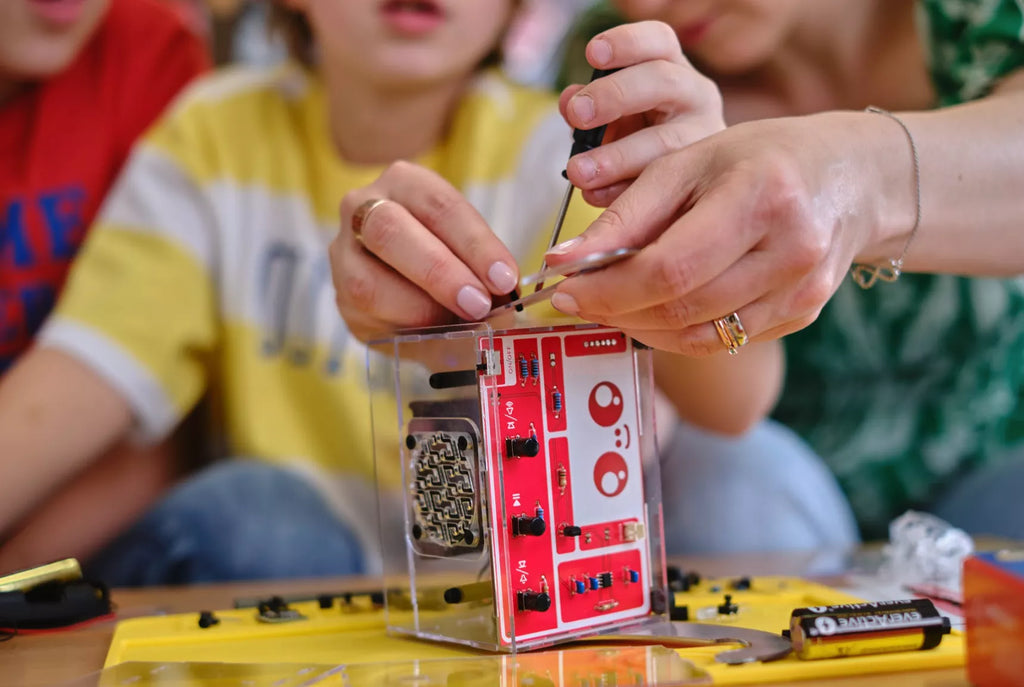
How to Spot Quality Toys and Educational Tools is essential knowledge for parents and educators alike, as selecting the right toys can profoundly influence a child’s development. With the market flooded with options, understanding what makes a toy or tool truly valuable is crucial. Quality toys are not just fun; they promote learning, creativity, and critical thinking, laying a strong foundation for a child’s future.
This exploration will guide you through the key characteristics to look for, ensuring that your choices are both enjoyable and beneficial for the young minds in your life. From material safety to educational value, we’ll cover all the aspects that matter in making informed decisions.
In the digital age, where information is abundant and easily accessible, the need for effective communication has never been more crucial. Whether you’re writing an email, creating a blog post, or drafting a proposal, the way you present your ideas can significantly impact how they are received. In this article, we will explore the nuances of casual formal language, its importance in professional communication, and how to master it to enhance your writing skills.
### Understanding Casual Formal Language
Casual formal language is a unique blend of professionalism and conversational tone. It strikes a balance between being approachable and authoritative, making it an ideal choice for various forms of communication in the workplace. This style is particularly effective in fostering positive relationships while maintaining respect and clarity.
1. The Importance of Tone in Communication
Tone plays a pivotal role in how messages are perceived. A casual formal tone can help bridge the gap between rigid professionalism and a relaxed, personal touch. This approach not only makes the content more relatable but also encourages engagement. For example, instead of saying, “We appreciate your feedback,” you could say, “Thanks for your feedback; it’s super helpful!” Both convey appreciation, but the latter feels more genuine and approachable.
2. When to Use Casual Formal Language
Knowing when to employ this style is essential. Here are some scenarios where casual formal language can be particularly effective:
– Emails: When communicating with colleagues or clients, using a casual formal tone can help you connect without coming off as too stiff.
– Presentations: While maintaining professionalism, adding a casual touch can make your presentation more engaging and relatable.
– Social Media: In a business context, a casual formal tone can humanize your brand and encourage interaction.
3. Key Elements of Casual Formal Language
To effectively implement casual formal language, consider the following elements:
– Word Choice: Use simple, everyday language while avoiding jargon. For instance, instead of “utilize,” opt for “use.”
– Sentence Structure: Keep your sentences clear and concise, but don’t shy away from using contractions, like “you’re” instead of “you are.”
– Personal Touch: Incorporate personal anecdotes or relatable examples to create a connection with your audience.
– Punctuation: Use punctuation to convey tone; for instance, exclamation marks can add enthusiasm, while ellipses can create a sense of intimacy.
### Crafting Your Message
Now that we’ve established the foundation of casual formal language, let’s dive into how to craft your message effectively.
1. Know Your Audience
Understanding your audience is crucial for tailoring your message. Consider their preferences, expectations, and the context of your communication. Are you addressing a group of peers, senior management, or clients? This understanding will guide your tone and content.
2. Define Your Purpose
Before writing, clarify your purpose. Are you informing, persuading, or engaging? A well-defined purpose will help you focus your message and ensure you achieve your desired outcome.
3. Create an Artikel
An Artikel can help structure your thoughts and ensure a logical flow. Break down your content into clear sections, such as introduction, main points, and conclusion. This will make it easier for your audience to follow your argument.
4. Engage with an Opening Hook
Start with an engaging hook that captures your reader’s attention. This could be a thought-provoking question, a surprising statistic, or a brief anecdote. For example, in a discussion about workplace productivity, you might start with, “Did you know that simple changes in your work environment can boost your productivity by over 20%?”
5. Use Examples and Stories
Incorporating examples or stories can make your message more relatable and memorable. Share personal experiences or anecdotes that parallel the points you’re making. For instance, if discussing teamwork, you might recount a successful project where collaboration led to outstanding results.
6. Conclude with Impact
Your conclusion is just as important as your introduction. Summarize your main points and reinforce your message. Encourage action if appropriate, whether it’s inviting feedback, suggesting further reading, or prompting a discussion.
### Examples of Casual Formal Language
To illustrate the effectiveness of casual formal language, let’s look at some practical examples.
Example 1: Email Communication
*Subject: Quick Update on Project X*
Hi Team,
I hope this message finds you well! I wanted to quickly touch base regarding Project X. We’re on track to meet our deadline next week, and I appreciate all the hard work everyone has been putting in.
If you have any questions or need assistance, don’t hesitate to reach out. Let’s keep the momentum going!
Best,
[Your Name]
Example 2: Presentation Opening
“Good morning, everyone! I’m excited to be here today to discuss our upcoming initiative. You might be wondering how this will impact your work — and trust me, the changes are going to make our processes smoother and more efficient. Let’s dive in!”
### The Impact of Casual Formal Language
The effectiveness of using casual formal language cannot be overstated. When employed correctly, it can lead to:
– Stronger Relationships: A relatable tone fosters a sense of camaraderie and trust between colleagues and clients.
– Enhanced Engagement: A conversational style invites participation and keeps the audience’s attention.
– Greater Clarity: Simplifying language helps ensure that your message is easily understood, reducing the chances of miscommunication.
### Conclusion
In conclusion, mastering casual formal language can significantly enhance your communication skills. By striking the right balance between professionalism and approachability, you can create content that resonates with your audience and fosters positive interactions. Remember to consider your audience, define your purpose, and engage with relatable examples. As you practice, you’ll find your unique voice within this style, making your written communication not only effective but also enjoyable to read.
As we navigate through a world that increasingly values connection and authenticity, the ability to communicate in a casual formal tone will serve you well, both personally and professionally. So, embrace this style, and watch your communication transform!
In conclusion, recognizing How to Spot Quality Toys and Educational Tools is vital for nurturing children’s growth and learning. By focusing on quality, safety, and educational benefits, you can make choices that enrich their playtime and overall development. Empower yourself with this knowledge, and watch as the right toys spark joy and curiosity in the hearts of children.
General Inquiries: How To Spot Quality Toys And Educational Tools
What materials should I look for in quality toys?
Opt for non-toxic, durable materials such as wood, BPA-free plastics, or organic fabrics to ensure safety and longevity.
How can I determine if a toy is age-appropriate?
Check the packaging for age recommendations and consider the child’s developmental stage, ensuring that the toy offers suitable challenges.
Are educational toys worth the investment?
Absolutely! Educational toys often provide lasting benefits by enhancing skills such as problem-solving, creativity, and motor development.
How do I know if a toy encourages creativity?
Look for toys that offer open-ended play possibilities, allowing children to use their imagination and explore various ways to engage with them.
What role do reviews play in finding quality toys?
Reviews from other parents and experts provide insights into the toy’s performance, safety, and educational value, helping you make informed choices.