Why Tools Represent More Than Just Metal and Wood invites us to explore the profound significance hidden within everyday instruments. Tools are not merely physical objects crafted from metal and wood; they embody our creativity, ingenuity, and drive for progress. As we delve into this topic, we will uncover how tools have evolved alongside humanity, reflecting our history, culture, and aspirations.
Throughout history, tools have been essential in shaping our societies and enhancing our capabilities. From the basic stone tools of our ancestors to the sophisticated devices of modern technology, each tool tells a story of human adaptation and innovation. Understanding the deeper meaning behind these instruments allows us to appreciate their role in both our personal lives and the broader context of human achievement.
In today’s fast-paced world, maintaining a work-life balance has become more crucial than ever. It seems like everyone is constantly juggling various commitments, from professional responsibilities to personal interests and family obligations. The idea of work-life balance often feels like a myth, but with a few deliberate strategies, it’s possible to create a more harmonious existence.
First and foremost, it’s essential to understand what work-life balance means. In essence, it’s about achieving a healthy equilibrium between your professional duties and personal life. Remember, this balance can look different for everyone; what works for one person may not work for another. The key is to find a rhythm that suits your lifestyle and values.
One effective way to begin is by setting boundaries. Establishing clear lines between work time and personal time is crucial. For instance, if you work from home, designate a specific area as your workspace. When you step away from that area, you can mentally transition into your personal time. Informing colleagues of your working hours can also help minimize interruptions and allow you to focus on personal commitments during your off-hours.
Next, prioritize your tasks. Not everything on your to-do list holds the same weight. Try categorizing tasks into urgent, important, and less critical. This method, often referred to as the Eisenhower Matrix, allows you to focus on what truly matters. By concentrating your energy on high-priority tasks, you can eliminate the feeling of being overwhelmed and create more time for personal pursuits.
Another strategy is to embrace flexibility. If your job allows it, consider adopting a flexible schedule. This approach lets you work when you’re most productive while carving out time for family, hobbies, or relaxation. You might find that you accomplish more in a shorter time and, therefore, have the freedom to enjoy life outside of work.
Moreover, self-care cannot be overlooked. Taking time for yourself, whether through exercise, meditation, or simply enjoying a hobby, is vital for overall well-being. Engaging in activities that bring joy can rejuvenate your mind and body, making you more efficient during work hours. Remember, burnout can creep in quickly if you neglect self-care, so make it a priority.
In addition, consider technology’s role in your work-life balance. While tech can often blur the lines between work and personal life, it can also aid in creating boundaries. Utilize apps and tools designed for productivity that can help you stay organized and focused. For example, time management tools can help you allocate specific hours for work, while reminders can keep you accountable for personal commitments.
Furthermore, it’s important to cultivate a supportive environment, both at work and at home. Discuss your work-life balance goals with your employer or team. Many organizations recognize the importance of employee well-being and may offer resources or flexible arrangements to support your needs. At home, encourage open communication with family members about your boundaries and the importance of personal time.
As you work towards achieving a better work-life balance, it’s vital to regularly reassess your approach. Life is dynamic, and your circumstances may change. Periodically check in with yourself to see if your current strategies are still effective. If not, don’t hesitate to make adjustments. This adaptability is key to maintaining a balance that evolves with your life.
Lastly, celebrate your achievements, no matter how small. Acknowledging your efforts to create a balance can provide motivation to keep going. Whether it’s completing a project at work or spending quality time with loved ones, recognizing your accomplishments fosters a positive mindset and encourages you to continue striving for balance.
In conclusion, achieving a healthy work-life balance is an ongoing journey that requires intention and effort. By setting boundaries, prioritizing tasks, embracing flexibility, practicing self-care, leveraging technology, fostering a supportive environment, reassessing your strategies, and celebrating your achievements, you can pave the way for a more fulfilling life. Remember, the goal isn’t perfection but rather creating a lifestyle that allows you to thrive both personally and professionally. With commitment and practice, you can find that sweet spot where work and life coexist harmoniously.
In conclusion, exploring why tools represent more than just metal and wood reveals their multifaceted significance in our lives. They are symbols of human progress and creativity, bridging the gap between necessity and invention. As we continue to innovate, let us remember the stories these tools tell and the impact they have on our future, inspiring the next generation of creators and thinkers.
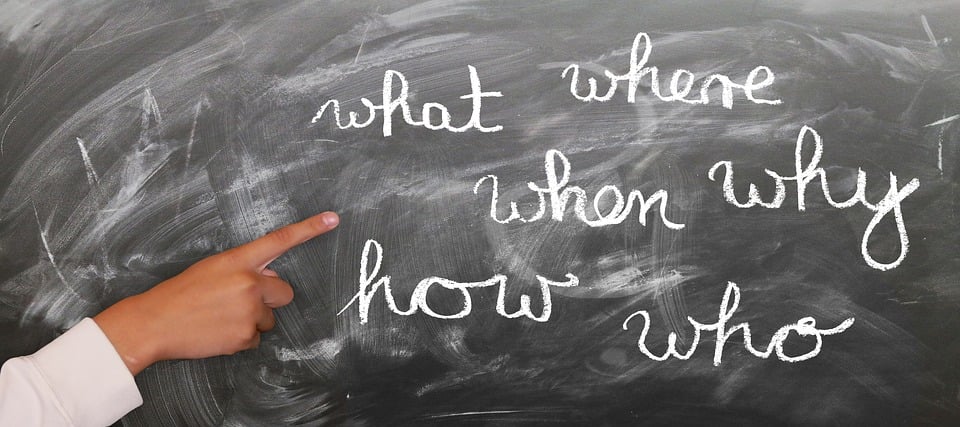
Query Resolution: Why Tools Represent More Than Just Metal And Wood
What do tools symbolize in human culture?
Tools symbolize human ingenuity, adaptation, and the drive for innovation, reflecting the evolution of our societies and capabilities.
How have tools evolved over time?
Tools have evolved from simple stone implements to advanced machines, constantly adapting to meet the changing needs of humanity.
Why are tools important for creativity?
Tools enable creativity by providing the means to transform ideas into tangible outcomes, allowing people to express themselves and solve problems effectively.
What role do tools play in education?
Tools enhance learning by facilitating hands-on experiences, helping students grasp complex concepts through practical application and experimentation.
How can understanding tools benefit future generations?
Understanding tools and their significance can inspire future generations to innovate and create, emphasizing the importance of craftsmanship and problem-solving skills.