Finding Meaning in Numbers While Shopping With Purpose invites you to explore the fascinating intersection of consumerism and conscious decision-making. In today’s world, where every purchase matters, understanding the significance behind the numbers we encounter can enhance our shopping experience. This journey is not just about saving money but also about making informed choices that align with our values and goals.
As we dive deeper into this topic, we will uncover how numerical data influences our shopping habits and how it can guide us towards more intentional purchases. From price comparisons to ethical sourcing, the numbers tell a story that enriches our understanding of the products we choose to buy.
In the contemporary landscape, technology has woven itself into the very fabric of education, fundamentally transforming the way we learn, teach, and interact in academic settings. With advancements in digital tools and platforms, the educational experience has been enhanced in ways previously unimaginable. This article delves into the various facets of how technology is reshaping education, highlighting both its advantages and challenges.
1. The Rise of E-Learning
E-learning has emerged as a robust alternative to traditional classroom learning, offering flexibility and accessibility to students around the globe. Online courses and virtual classrooms have made it possible for individuals to pursue education regardless of geographical limitations. This mode of learning caters to diverse learning styles, allowing students to engage with material at their own pace. Platforms like Coursera, edX, and Khan Academy have democratized education, providing resources from prestigious institutions to anyone with an internet connection.
2. Interactive Learning Environments
Technology has paved the way for interactive learning environments that encourage active participation. Tools such as smartboards, interactive simulations, and gamified learning platforms invite students to collaborate and engage more deeply with the material. For example, gamification techniques are being deployed to make learning more enjoyable and relatable. Students are motivated to learn through systems of rewards and challenges, making the educational experience not just informative but also entertaining.
3. The Role of Artificial Intelligence: Finding Meaning In Numbers While Shopping With Purpose
Artificial Intelligence (AI) is becoming increasingly integral to education, offering personalized learning experiences tailored to individual student needs. AI-driven platforms can analyze a student’s performance and adapt the curriculum accordingly, identifying areas where they may need additional support. This level of customization ensures that no learner is left behind, promoting an inclusive educational environment where each student can thrive.
4. Access to Information
Gone are the days when students relied solely on textbooks for information. The internet has transformed the way knowledge is disseminated, placing a wealth of resources at students’ fingertips. With just a few clicks, learners can access academic journals, articles, and multimedia content that enrich their understanding of complex subjects. However, this abundance of information also comes with the responsibility of discerning credible sources from unreliable ones, prompting the need for digital literacy education.
5. The Challenges of Technology in Education
Despite the myriad benefits, the integration of technology in education is not without its challenges. One significant concern is the digital divide, which highlights disparities in access to technology among different socio-economic groups. Students from underprivileged backgrounds may struggle to obtain the necessary devices or reliable internet connections, creating an uneven playing field in the educational landscape.
Furthermore, the reliance on technology can lead to issues such as decreased face-to-face interactions and a potential decline in critical thinking skills. As students become accustomed to finding answers online, there is a growing concern that they may not engage in deep analytical thinking or develop effective problem-solving skills.
6. Teacher Training and Adaptation
For technology to be effective in education, educators themselves must be adequately trained to use these tools. Professional development programs are essential to equip teachers with the skills needed to integrate technology into their teaching methods effectively. In addition, educators must adapt their pedagogical approaches to leverage the benefits of technology, ensuring they remain facilitators of learning rather than mere transmitters of information.
7. The Future of Technology in Education
Looking ahead, the trajectory of technology in education seems poised for further evolution. Innovations such as virtual reality (VR) and augmented reality (AR) are beginning to find their place in classrooms, providing immersive learning experiences that can transport students to historical events or complex scientific environments. As these technologies become more mainstream, they hold the potential to revolutionize the way subjects are taught and understood.
Additionally, the growing emphasis on lifelong learning underscores the importance of integrating technology into adult education and professional development. As industries continue to evolve, the need for continuous skill enhancement will drive the demand for accessible and flexible learning solutions.
8. Conclusion
In conclusion, technology’s impact on modern education is profound and far-reaching. While it offers unprecedented opportunities for enhancing learning, it also presents challenges that must be addressed to ensure equitable access and effective implementation. As we navigate this technological landscape, it is crucial to emphasize the importance of digital literacy, teacher training, and the promotion of inclusive practices. By harnessing the power of technology, we can create a more dynamic, engaging, and effective educational experience for all learners.
In conclusion, embracing the concept of Finding Meaning in Numbers While Shopping With Purpose empowers us to become more mindful consumers. By interpreting the numerical aspects of our purchases, we not only make smarter financial decisions but also contribute to a more sustainable and ethical marketplace. Let’s continue to seek understanding in the numbers, transforming our shopping into a purposeful journey.
Common Queries
What does it mean to shop with purpose?
Shopping with purpose means making intentional choices that reflect your values and goals, focusing on quality and sustainability rather than impulse buys.
How can numbers enhance the shopping experience?
Numbers can provide insights into pricing, product quality, and ethical practices, allowing consumers to make more informed decisions.
Why is understanding numerical data important when shopping?
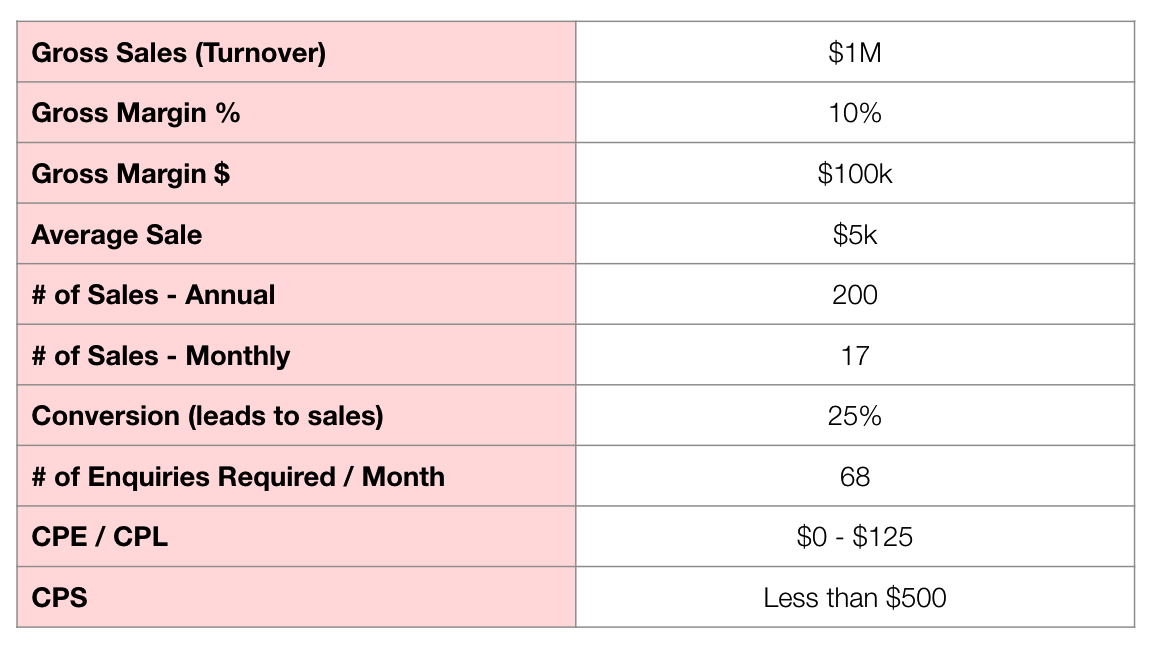
Understanding numerical data helps consumers identify good deals, assess product value, and align their purchases with their personal ethics.
What are some tools to help shop with purpose?
Tools like price comparison apps, ethical shopping guides, and sustainability ratings can assist consumers in making more purposeful shopping decisions.
How can I start shopping more purposefully?
Begin by identifying your values, researching products, and focusing on quality over quantity in your purchases.