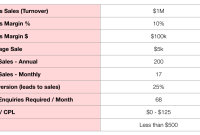
From Numbers to Narratives in the Shopping Journey, we dive into how data transforms into engaging stories that enhance our shopping experiences. In an era where every click and purchase generates valuable insights, understanding the journey from raw numbers to relatable narratives is essential. This exploration reveals how retailers and consumers alike benefit from this transition, enriching the shopping landscape and fostering deeper connections.
The shopping journey encompasses various stages, and each one presents opportunities to leverage data effectively. By analyzing customer behaviors and preferences, businesses can craft narratives that resonate with their audience, ultimately leading to more personalized shopping experiences. This blend of quantitative data and qualitative storytelling not only drives sales but also builds brand loyalty and trust.
In the vast landscape of the internet, content creation has emerged as an essential tool for communication, marketing, and education. The significance of crafting engaging and informative articles cannot be overstated, especially in an age where users are inundated with a plethora of information. This article aims to explore the art and science of content creation, emphasizing the essential components that lead to successful articles while providing practical tips to create unique and compelling content.
### Understanding Your Audience
Before diving into content creation, it’s crucial to have a clear understanding of your target audience. Knowing who you are writing for will guide your tone, style, and the information you choose to include. Conducting audience research can offer invaluable insights into their preferences, pain points, and interests. This can be achieved through surveys, social media interactions, or analyzing existing audience data.
When you have a solid grasp of your audience, you can tailor your content to address their specific needs. For instance, if your audience primarily consists of professionals in a particular industry, your writing should reflect the terminology, challenges, and topics relevant to them.
### Crafting a Compelling Headline
The headline is often the first impression a reader has of your article, making it a critical component of content creation. An effective headline should be compelling, clear, and descriptive. It should give readers a reason to click and read further. Here are a few strategies to create attention-grabbing headlines:
1. Use Numbers: Headlines that include numbers often attract more clicks. For example, “5 Tips for Effective Content Creation” tends to perform better than “Tips for Effective Content Creation”.
2. Ask Questions: Posing a question can pique curiosity. For example, “Are You Making These Common Content Creation Mistakes?” invites readers to reflect on their practices.
3. Include s: Incorporating relevant s can improve your article’s search engine optimization (), helping it reach a broader audience.
### Structuring Your Article
Once you have your audience and headline sorted, it’s time to structure your article in a way that enhances readability and engagement. A well-structured article typically includes the following elements:
1. Introduction: This should provide a brief overview of what the article will cover and capture the reader’s interest. Consider starting with an interesting fact, a quote, or a brief anecdote.
2. Body: This is where you dive into the details. Use subheadings to break up different sections, making it easier for readers to skim and find information quickly. Each section should flow logically into the next, maintaining coherence throughout the article.
3. Conclusion: Summarize the key points discussed and reiterate the article’s main message. This is also a great place to include a call to action, encouraging readers to engage further, whether it’s sharing the article, commenting, or exploring related content.
### Writing Style and Tone
The writing style and tone you choose can significantly impact how your message is received. Here are a few tips to consider:
– Be Conversational: A casual yet respectful tone can make your content more relatable. Avoid jargon unless it’s appropriate for your audience.
– Use Active Voice: Writing in an active voice tends to be more engaging than passive voice. For example, instead of saying “The article was written by the author,” you can say “The author wrote the article.”
– Keep it Concise: While it’s important to be thorough, avoid unnecessary fluff. Aim for clarity and brevity to keep your audience engaged.
### Importance of Visuals
Integrating visuals into your articles can enhance understanding and retention. Images, infographics, and videos can break up text and provide additional context to your writing. When using visuals, ensure they are relevant and of high quality. Don’t forget to include alt text for accessibility and benefits.
### Editing and Proofreading
The editing process is critical in ensuring your article is polished and professional. Take the time to review your work for grammatical errors, spelling mistakes, and clarity. It’s often helpful to step away from your article for a few hours or even a day before revisiting it with fresh eyes. Here are some tips for effective editing:
1. Read Aloud: This can help you catch awkward phrasing and errors that you might overlook when reading silently.
2. Use Editing Tools: Tools like Grammarly or Hemingway can help identify issues in grammar, style, and readability.
3. Seek Feedback: If possible, have a colleague or friend review your article. They might catch issues you missed and offer valuable suggestions.
### Promoting Your Content
Creating a great article is only half the battle; promoting your content is equally important. Here are some strategies to ensure your work reaches the intended audience:
– Utilize Social Media: Share your article across various social media platforms. Tailor your message for each platform to maximize engagement.
– Network with Influencers: Building relationships with influencers in your niche can help amplify your content. They may share your work with their followers, expanding your reach.
– Email Marketing: If you have a mailing list, send out a newsletter featuring your latest article. Be sure to craft an enticing subject line to increase open rates.
### Measuring Success
After publishing your article, it’s important to measure its success. Utilize analytics tools to track metrics such as page views, time on page, and social shares. This data can provide insights into what works and what doesn’t, guiding your future content creation efforts.
### Conclusion
Creating unique and effective content is a blend of art and science. By understanding your audience, crafting compelling headlines, structuring your articles thoughtfully, and maintaining a conversational tone, you can enhance your writing. Moreover, the importance of visuals and the editing process cannot be overlooked, as they contribute significantly to the overall quality of your article. Finally, promoting your content and measuring its success ensures that your hard work reaches the intended audience, ultimately fulfilling your goals as a content creator. As you continue to hone your skills, remember that practice and persistence are key to becoming a successful writer in the ever-evolving digital landscape.
In summary, the voyage from numbers to narratives in the shopping journey is vital for creating meaningful connections between brands and consumers. By harnessing the power of data-driven storytelling, retailers can better understand their customers, cater to their needs, and enhance their overall experience. As we look to the future, embracing this approach will be key to thriving in an ever-evolving marketplace.
Frequently Asked Questions: From Numbers To Narratives In The Shopping Journey
What is the significance of narratives in shopping?
Narratives help create emotional connections between brands and consumers, enhancing engagement and loyalty.
How do businesses use data in the shopping journey?
Businesses analyze data to understand customer behavior, preferences, and trends, allowing for more targeted marketing strategies.
What are some challenges in creating narratives from data?

Challenges include ensuring accuracy, maintaining relevance, and translating numbers into relatable stories that resonate with consumers.
How can small businesses benefit from this approach?
Small businesses can leverage data storytelling to compete with larger brands by creating personalized experiences that highlight their unique value.
What role does technology play in this transformation?
Technology enables the collection, analysis, and visualization of data, making it easier to create compelling narratives that enhance the shopping journey.