Why Selling Insurance Is About Trust, Not Just Coverage opens the door to a vital conversation about the insurance industry. It’s often assumed that selling insurance is simply about providing coverage; however, the reality runs much deeper. Trust is the cornerstone of this business, influencing not only customer relationships but also the long-term success of insurance agents. Understanding this dynamic can transform how we view and engage with insurance sales.
In a world where policies and premiums can be confusing, establishing trust can make all the difference. This article delves into the importance of building genuine relationships between agents and clients, showcasing how trust shapes clients’ decisions and ultimately leads to a more fulfilling experience for both parties.
In today’s fast-paced world, the significance of effective communication cannot be overstated. Whether in our personal lives or professional environments, the ability to convey thoughts clearly and persuasively is an essential skill. The art of communication encompasses various elements, including verbal and non-verbal cues, active listening, and the ability to adapt one’s message according to the audience. In this article, we will explore the nuances of effective communication, its importance, and practical strategies to enhance this vital skill.
Firstly, let’s define what effective communication means. At its core, effective communication is about sharing information in a way that is easily understood, engaging, and encourages a two-way dialogue. It’s not just about speaking or writing; it’s about ensuring that the message is received and interpreted as intended. This involves clarity of thought, organization of ideas, and an understanding of how the audience may perceive those ideas.
One of the fundamental components of effective communication is clarity. Clarity involves articulating your thoughts in a straightforward manner. It’s essential to avoid jargon and overly complex language that might confuse the audience. For instance, if you are presenting a technical concept to a group of non-experts, you would do well to simplify your terminology and provide relatable examples. This practice not only makes your message accessible but also fosters a connection with your audience.
Another critical aspect is the structure of the message. A well-organized presentation or written document allows the audience to follow your argument logically. Start with an introduction that Artikels the main points you will cover. Then, delve into each point systematically, providing supporting evidence or examples. Finally, conclude by summarizing the key takeaways and reiterating the importance of the message. This structure helps the audience retain information and encourages them to engage with your content actively.
Non-verbal communication also plays a crucial role in our interactions. Our body language, facial expressions, and tone of voice can significantly influence how our message is perceived. For example, maintaining eye contact can express confidence and sincerity, while a relaxed posture can signal openness and receptivity. Conversely, crossed arms or avoiding eye contact might convey defensiveness or disinterest. It’s essential to be mindful of these non-verbal cues and ensure they align with the verbal message you are trying to convey.
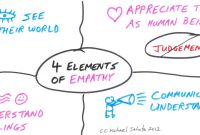
Active listening is another critical element of effective communication. Many people think of communication as a one-way street, but it is inherently a dialogue. Active listening involves not just hearing the words spoken by the other person but also understanding the emotions and intentions behind those words. This can be achieved by providing feedback, asking clarifying questions, and reflecting on what has been said. For example, if a colleague expresses frustration about a project, responding with empathy, such as, “I understand how you feel. Let’s discuss how we can address this issue together,” can foster a collaborative atmosphere and make the speaker feel valued.
Moreover, adapting your communication style to suit your audience is crucial. Different audiences may have varying levels of knowledge on the topic at hand, and understanding this can help tailor your message appropriately. For instance, when addressing a group of industry experts, you might use technical language and delve into intricate details. However, when speaking to a lay audience, you’d want to use simpler terms and focus on broader themes. This adaptability demonstrates respect for your audience’s background and enhances their engagement.
In the digital age, effective communication extends beyond face-to-face interactions. With the rise of remote work and digital communication platforms, mastering online communication has become increasingly important. Tailoring your message for emails, video calls, and social media platforms is essential. For instance, when drafting an email, remember that clarity and conciseness are key. Use bullet points for easy readability and ensure your subject line accurately reflects the content of the message. When participating in video calls, pay attention to your background, lighting, and overall appearance, as these can significantly impact how you are perceived.
The importance of effective communication is evident across various domains, including personal relationships, the workplace, and even in public speaking. In personal relationships, clear communication can prevent misunderstandings and foster deeper connections. In the workplace, it can enhance collaboration, boost morale, and increase productivity. Furthermore, effective public speaking can inspire and motivate audiences, making it an invaluable skill for leaders and influencers.
Practicing effective communication is a continual process. Seeking feedback from peers, reflecting on past interactions, and being open to learning can greatly enhance your skills. Consider joining groups or workshops focused on communication skills, or even engaging in public speaking clubs such as Toastmasters, where you can receive constructive criticism and improve your abilities in a supportive environment.
In conclusion, effective communication is an art that combines clarity, structure, non-verbal cues, active listening, and audience adaptation. It is a skill that can be developed over time with practice and dedication. By enhancing our communication skills, we can foster stronger relationships, create a more collaborative work environment, and inspire those around us. So whether you are giving a presentation, writing an email, or having a casual conversation, remember that the way you communicate can make all the difference.
In conclusion, the essence of selling insurance transcends the transactional nature of policies; it is fundamentally about trust. As we have explored, fostering a sense of reliability and understanding can lead to stronger client relationships and better outcomes for agents. Emphasizing trust over mere coverage not only enhances the integrity of the insurance profession but also encourages a more client-centric approach that benefits everyone involved.
Key Questions Answered: Why Selling Insurance Is About Trust, Not Just Coverage
What is the importance of trust in insurance sales?
Trust is crucial in insurance sales as it fosters long-term client relationships, encouraging repeat business and referrals.
How can agents build trust with clients?
Agents can build trust by being transparent, providing clear information, and showing genuine care for clients’ needs.
Is it possible to sell insurance without trust?
While it may be possible, selling insurance without trust is likely to result in high turnover and low customer satisfaction.
What role does communication play in establishing trust?
Effective communication is key to establishing trust, as it allows agents to clarify clients’ concerns and demonstrate their expertise.
How does trust impact customer loyalty in insurance?

High levels of trust lead to increased customer loyalty, making clients more likely to stick with an agent or company over time.