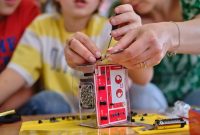
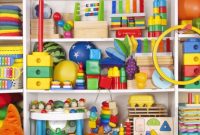
The Art of Mindful Shopping for Busy Parents introduces a refreshing approach to the chaotic world of parenting and shopping. In a fast-paced life filled with numerous responsibilities, parents often find themselves overwhelmed by choices and distractions. This guide aims to provide practical insights and strategies that empower busy parents to shop more intentionally, ensuring that every purchase aligns with their family’s values and needs.
By embracing mindful shopping, parents can make informed decisions that not only save time and money but also foster a more sustainable lifestyle. This involves being aware of what is truly essential, understanding the impact of purchases on the environment, and recognizing the benefits of choosing quality over quantity.
In today’s fast-paced and ever-evolving world, the importance of effective communication cannot be overstated. Whether in a professional setting or personal interactions, the ability to convey ideas clearly and concisely is crucial. This article delves into the various facets of communication, highlighting its significance, the barriers that often arise, and practical ways to enhance your communication skills.
Understanding Communication
Communication is the process of exchanging information, ideas, thoughts, or feelings between individuals or groups. It can take many forms, including verbal, non-verbal, written, and visual communication. The essence of communication lies in its purpose: to connect people and facilitate understanding. This connection fosters relationships, builds trust, and promotes collaboration.
The Importance of Effective Communication
1. Building Relationships: At the core of any relationship is effective communication. Whether with friends, family, or colleagues, the ability to express oneself and listen to others forms the foundation of trust and understanding. Good communicators can navigate conflicts, strengthen bonds, and create a supportive environment.
2. Enhancing Collaboration: In professional settings, effective communication is key to collaboration. Clear communication helps teams work together efficiently, share ideas, and solve problems. When team members can convey their thoughts and feedback openly, it leads to more innovative solutions and a productive workplace.
3. Improving Productivity: Miscommunication can lead to confusion, errors, and wasted time. By improving communication skills, individuals can convey their messages more clearly, reducing misunderstandings and enhancing overall productivity. This is particularly important in business, where clarity can significantly impact performance.
4. Fostering Inclusivity: Effective communication is also essential for fostering an inclusive environment. It allows individuals from diverse backgrounds to express themselves and feel valued. By embracing different communication styles and actively listening, we can create a culture that promotes diversity and inclusion.
Common Barriers to Effective Communication
Despite its importance, communication can be hindered by various barriers. Understanding these barriers is the first step toward overcoming them:
1. Language Differences: In our increasingly globalized world, individuals often communicate in different languages. Language barriers can lead to misunderstandings, making it essential to find common ground or utilize translation tools when necessary.
2. Cultural Context: Culture shapes the way we communicate. Different cultures have unique norms, values, and communication styles. Being aware of these differences can help avoid misinterpretations and foster better understanding.
3. Emotional Barriers: Emotions play a significant role in communication. Fear, anger, or anxiety can influence how we express ourselves and perceive others. Learning to manage our emotions and empathize with others is crucial for effective communication.
4. Physical Barriers: Physical distance, noise, or technological issues can impede communication. Whether it’s a poor internet connection during a virtual meeting or distractions in a busy office, minimizing these barriers is essential for clear communication.
5. Perceptual Barriers: Each individual has a unique perspective shaped by their experiences and beliefs. These perceptions can lead to misunderstandings if not acknowledged. Open-mindedness and a willingness to consider other viewpoints can help bridge these gaps.
How to Improve Your Communication Skills
Improving communication skills is a continuous process. Here are some practical tips to enhance your communication abilities:
1. Practice Active Listening: One of the most important aspects of communication is listening. Active listening involves fully concentrating, understanding, and responding thoughtfully to what others are saying. This not only shows respect but also encourages open dialogue.
2. Be Clear and Concise: When conveying your message, strive for clarity and brevity. Avoid jargon or overly complex language that may confuse your audience. Organizing your thoughts beforehand can help you articulate your ideas more effectively.
3. Non-Verbal Communication: Be mindful of your body language, facial expressions, and tone of voice, as they all contribute to how your message is perceived. Positive body language, such as maintaining eye contact and using open gestures, can enhance your communication.
4. Seek Feedback: Encourage feedback from others to gauge the effectiveness of your communication. Constructive criticism can help you identify areas for improvement and adjust your approach accordingly.
5. Adapt Your Style: Different situations and audiences require different communication styles. Be adaptable and adjust your tone, language, and approach based on the context and the individuals you are communicating with.
Conclusion
In conclusion, effective communication is an invaluable skill that can significantly influence personal and professional relationships. By understanding the importance of communication, recognizing common barriers, and actively working to improve your skills, you can foster better connections, enhance collaboration, and navigate the complexities of human interaction more successfully. Embrace the journey of becoming a better communicator, and you will see the positive impact it has on every aspect of your life.
In summary, The Art of Mindful Shopping for Busy Parents highlights the importance of intentionality in every shopping experience. By prioritizing thoughtful choices, busy parents can create a more harmonious balance between their family’s needs and their shopping habits. Ultimately, mindful shopping is not just about buying wisely; it’s about nurturing a lifestyle that reflects values and fosters well-being for both parents and children.
Expert Answers: The Art Of Mindful Shopping For Busy Parents
What is mindful shopping?
Mindful shopping is the practice of making conscious purchasing decisions that reflect personal values and address actual needs, rather than impulsive buys.
How can busy parents fit mindful shopping into their schedules?
Busy parents can prepare shopping lists in advance, utilize online shopping options, and set specific times for shopping to streamline the process.
What are the benefits of mindful shopping for families?
Mindful shopping helps families save money, reduce waste, and promote healthier lifestyle choices by focusing on quality over quantity.
Can mindful shopping influence children’s habits?
Absolutely! When parents model mindful shopping, children learn valuable lessons about responsibility, value, and sustainability.
Are there any tools or apps to help with mindful shopping?
Yes, several apps can assist with budgeting, price comparisons, and tracking spending to support mindful shopping practices.