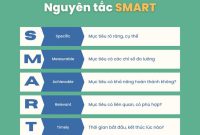
Comparing Popular Project Management Software opens up a fascinating exploration into the tools that shape collaboration and efficiency in today’s fast-paced work environment. With numerous options available, ranging from well-established platforms to innovative newcomers, it’s essential to navigate this crowded landscape thoughtfully. This overview will shed light on the features, strengths, and weaknesses of various project management software, empowering teams to choose the best fit for their unique needs.
As organizations increasingly rely on technology to manage workflows, understanding the nuances of each software option is vital. From task tracking to team communication, the right project management tool can make a significant difference in productivity and project success. Let’s dive into the key players in this arena and see how they stack up against one another.
In today’s fast-paced world, the importance of effective communication cannot be overstated. Whether you’re interacting with colleagues in a professional setting or engaging with friends in a casual conversation, the way we communicate can significantly impact our relationships and overall success. This article delves into various aspects of communication, exploring its significance, the different forms it takes, and tips for improving your skills.To begin with, let’s consider what communication really is.
At its core, communication involves the exchange of information, ideas, thoughts, or feelings between individuals. It can take many forms, including verbal (speaking), non-verbal (body language, facial expressions), written (emails, texts, letters), and visual (graphs, images). Each of these forms plays a crucial role in how we convey our messages and interact with others.One of the most significant benefits of effective communication is the ability to build stronger relationships.
When we communicate clearly, we foster trust and understanding among our peers, friends, and family. This is particularly important in professional environments, where teamwork and collaboration are essential to achieving common goals. Clear communication helps prevent misunderstandings and conflicts, enabling teams to work more efficiently and harmoniously.Moreover, effective communication is a critical skill for leadership. Leaders who can articulate their vision and goals clearly are more likely to inspire and motivate their teams.
They can convey the importance of their mission, rallying others around a shared purpose. This level of communication not only strengthens team dynamics but also enhances overall productivity and morale.Now, let’s explore the various forms of communication in detail. Verbal communication is perhaps the most obvious form, yet it is also one of the most nuanced. The words we choose, our tone of voice, and our inflection all contribute to the message we’re conveying.
For instance, saying “I’m fine” can have a vastly different meaning depending on the tone in which it is delivered. This highlights the importance of not just what we say, but how we say it.Non-verbal communication is equally important and often speaks louder than words. Body language, such as posture and gestures, can communicate confidence, openness, or defensiveness. Maintaining eye contact can convey sincerity and engagement, while crossed arms might indicate discomfort or resistance.
Being aware of our own non-verbal cues, as well as those of others, can enhance our ability to communicate effectively.Written communication is another essential component, especially in our increasingly digital world. Emails, texts, and instant messages have become primary modes of communication for both personal and professional interactions. In written communication, clarity is paramount. It’s easy for messages to be misinterpreted when the tone and context are not conveyed effectively.
Utilizing proper grammar, punctuation, and structure can make a significant difference in how your message is received.Visual communication is often overlooked, but it plays an essential role, especially in presentations and marketing. Visual aids, such as charts, graphs, infographics, and images, can enhance understanding and retention of information. They can also make complex ideas more accessible and engaging. When used effectively, visual elements can complement verbal and written communication, providing a more holistic approach to conveying messages.Having established the different forms of communication, let’s discuss some practical tips for improving your communication skills.
First and foremost, active listening is crucial. Engaging fully in conversations—by avoiding distractions, maintaining eye contact, and responding appropriately—demonstrates respect for the speaker and enhances understanding. Active listening allows you to grasp the nuances of what is being said, fostering a deeper connection with the speaker.Additionally, practicing empathy can significantly enhance your communication abilities. Empathy involves understanding and relating to the feelings and perspectives of others.
By putting yourself in someone else’s shoes, you can respond more thoughtfully and constructively. This not only improves interpersonal relationships but also helps create a more supportive and collaborative environment.Another important aspect of effective communication is being concise and clear. In our busy lives, people appreciate straightforward messages that get to the point without unnecessary jargon or ambiguity. Whether you’re sending an email or giving a presentation, strive to communicate your ideas in a clear and organized manner.
This will help your audience grasp your message quickly and efficiently.Furthermore, seeking feedback can be incredibly beneficial for honing your communication skills. Encourage colleagues, friends, or family members to provide constructive criticism on how you communicate. This can include feedback on clarity, tone, and effectiveness. Being open to feedback allows you to gain insights into areas where you can improve and helps you become a more effective communicator.In conclusion, communication is an invaluable skill that influences every aspect of our lives, from personal relationships to professional success.
By understanding its various forms and making a conscious effort to improve our skills, we can enhance our ability to connect with others. Whether through verbal, non-verbal, written, or visual means, effective communication fosters understanding, trust, and collaboration. Applying the tips discussed in this article can lead to more meaningful interactions, ultimately enriching your personal and professional life. So, take the time to reflect on your communication style and continue to grow in this essential area of life.
Frequently Asked Questions: Comparing Popular Project Management Software
What is project management software?
Project management software helps teams plan, execute, and track project tasks and resources effectively.
Why is it important to compare project management software?
Comparing software allows users to identify the best tools that meet their specific needs and improve overall efficiency.
Can project management software integrate with other tools?
Yes, many project management tools offer integrations with other applications like communication platforms and file storage services.

What features should I look for in project management software?
Key features to consider include task management, collaboration tools, reporting capabilities, and user-friendly interface.
Is project management software suitable for small teams?
Absolutely, there are many project management solutions designed specifically for small teams and startups.